Blog
Ant Control in Chandler, AZ: What’s Actually Invading Your Home (And How to Get Rid of It)

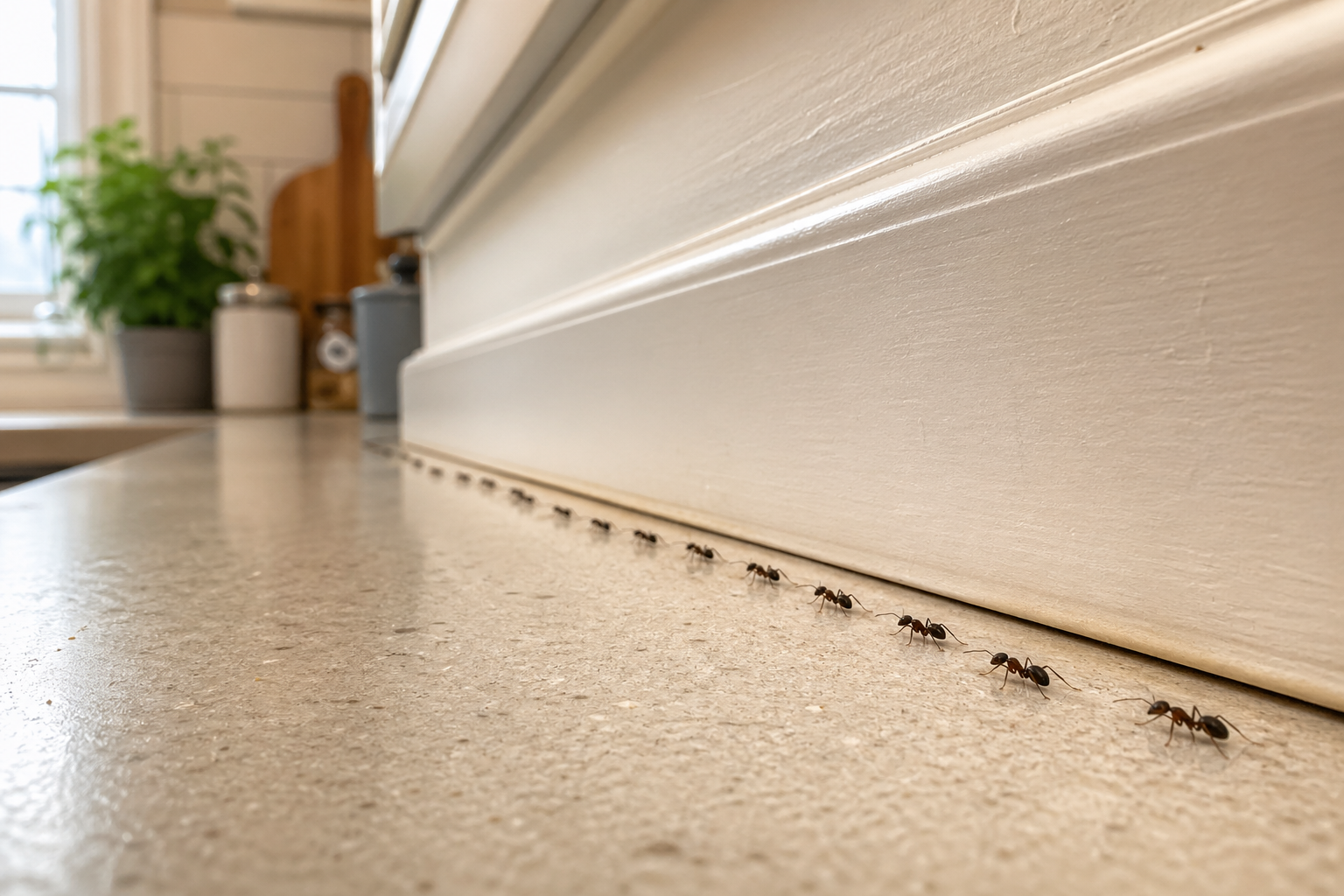
There’s a particular kind of frustration that hits when you walk into your kitchen at 6 a.m., flip on the light, and watch a trail of ants scatter across your counter. If you live in Chandler, you’ve probably been there.
Arizona doesn’t give ants a slow season. The heat drives them indoors searching for water. The monsoons flood their colonies and send them scrambling. And during winter, when most people expect a break, Chandler’s mild temperatures keep colonies active underground. What changes is where they go, and in winter, that’s usually your walls and crawl spaces.
The Ants You’re Most Likely Seeing in Chandler
Before anything else, species matters. This isn’t just biology trivia. The treatment that wipes out a fire ant colony can be completely useless against carpenter ants. We’ve talked to homeowners who bombed their kitchen three times with store-bought sprays, not realizing they were dealing with odorous house ants whose colony entrance was in the exterior block wall, fifteen feet from where they kept spraying.
Fire Ants are the ones most Chandler residents fear first. If you’ve got kids or pets using the backyard, a fire ant mound isn’t just an annoyance. A child stepping barefoot into one can have a genuinely scary reaction. Fire ants have spread aggressively through the East Valley, and their mounds often appear after monsoon rain when flooded underground colonies relocate fast.
Pavement Ants are the small, almost invisible line-marchers. They nest under slabs, sidewalks, and driveways, and they enter homes through the tiniest gap around plumbing, conduit, or expansion joints. They’re persistent and colony populations can be enormous, into the tens of thousands.
Carpenter Ants are the ones that should worry you most long-term. They don’t eat wood like termites. They excavate it to build galleries for their colonies. Soft or moisture-damaged wood is their first target, which is why bathroom walls, areas near AC units, and any wood touching soil are common infestation sites. By the time you see a carpenter ant inside your home, the colony has often been established for months.
Odorous House Ants are named for what happens when you crush one, a faint smell like rotten coconut or blue cheese. They’re relentless kitchen invaders, and their colonies operate as supercolonies with multiple queens, which is why killing ants you see does almost nothing to slow them down.
Why DIY Usually Backfires
Raid and other consumer sprays work on contact. That sounds useful until you understand ant colony biology: the ants foraging across your counter represent maybe 10 to 15 percent of the total colony. The rest, including the queens, are never going to touch that spray.
Worse, using repellent sprays on ant trails can trigger a behavior called budding, where a colony under stress splits and establishes multiple satellite nests. A homeowner who started with one colony in their kitchen can end up with three throughout their home within weeks. This is especially common with odorous house ants and carpenter ants.
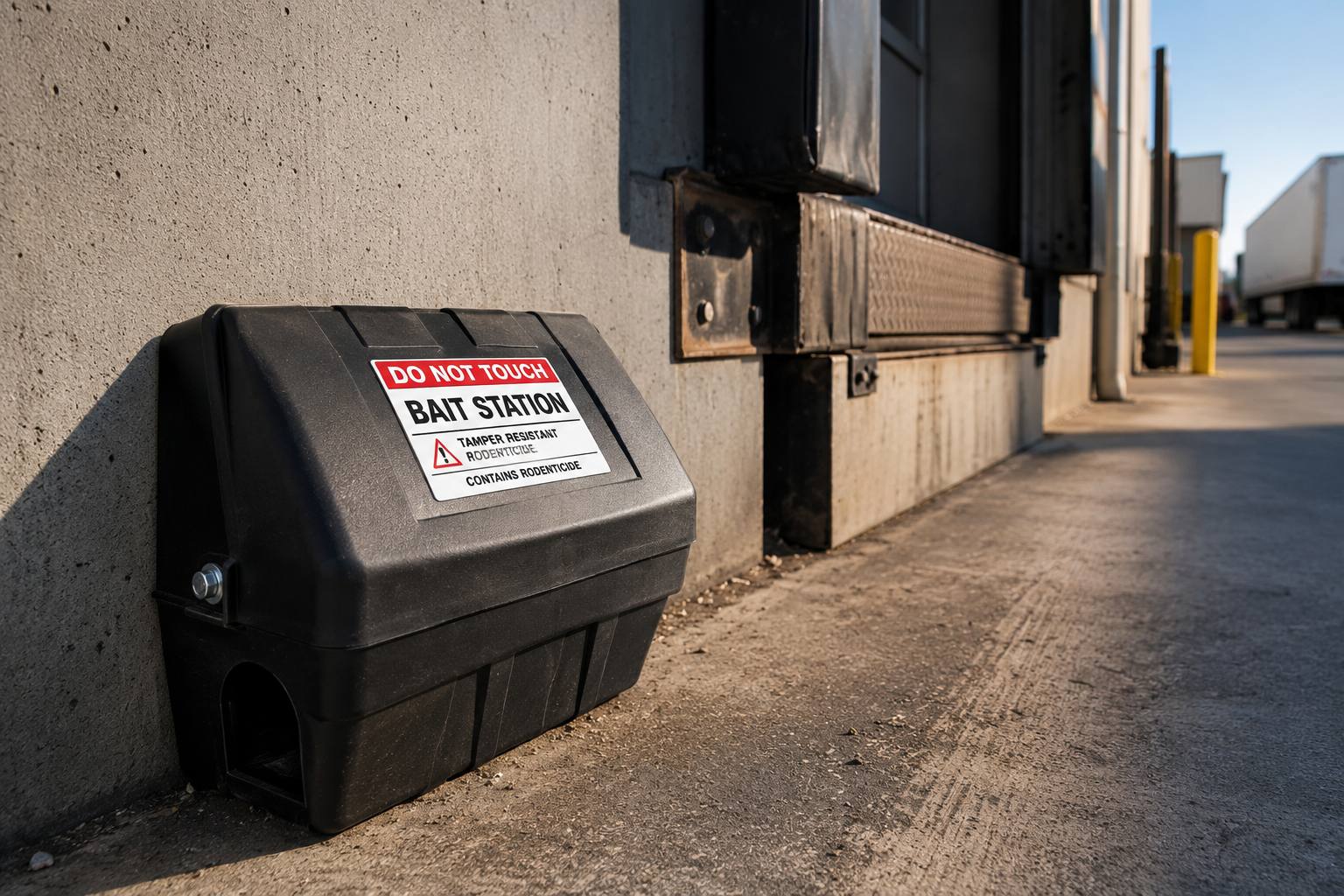
Bait systems work on an entirely different principle. Ants carry the bait back to the colony as food, it spreads through the population, and eventually reaches the queens. This is why effective bait treatments often look like they’re not working for the first 48 to 72 hours. The goal isn’t to kill ants on contact, it’s to get the material deep into the colony. Disrupting that process by also spraying repellents at the same time is one of the most common mistakes homeowners make.
What Professional Treatment Actually Looks Like
A thorough ant treatment in Chandler starts with identification, not an assumption. The exterior inspection matters as much as the interior because that’s where most colonies actually live. Entry points around plumbing penetrations, utility conduit, weep holes in block walls, and the gap between your garage door frame and foundation are common access routes that DIY approaches never address.
Treatment typically involves a combination of targeted interior baiting, exterior perimeter treatment, and direct colony application where colonies are accessible. For carpenter ants with nesting sites in wall voids or structural wood, dust applications into those voids are often necessary.
The full timeline to complete colony elimination is usually one to three weeks, depending on species and colony size. The first few days after treatment often show increased activity as ants move around. That’s normal and actually indicates the bait is working.
Keeping Them Out After Treatment
A few changes make a real difference in Chandler’s specific environment.
Your AC condensate line is one of the most overlooked ant attractants in Arizona. That slow drip near your foundation creates a consistent moisture source ants can find from a surprising distance. Clear the drain line and redirect it away from the foundation if possible.
Mulch and decorative rock directly against your foundation create both moisture retention and harborage. Keeping a 12 to 18 inch clear zone between landscaping and your exterior wall removes one of the most common nesting sites.
Weep holes in brick or block exterior walls are intentional because they allow moisture drainage, but they’re also ant highways. Bronze wool or purpose-made weep hole covers let the wall breathe while blocking entry.
Citrus trees and flowering plants near entry doors attract aphids, which fire ants and pavement ants farm for honeydew. Keeping those plants trimmed back from your home reduces that attractant significantly.
Common Questions We Hear From Chandler Homeowners
Why are ants appearing in winter? Arizona winters don’t freeze the ground, so colonies remain active at depth. Your heated home and its consistent moisture sources are attractive when outdoor temperatures drop. Winter is actually when carpenter ant activity inside walls often becomes most noticeable.
I only see a few ants. Do I really need a professional? A few ants means scouts. Scouts are looking for food and water sources to report back to the colony. If you’re seeing them repeatedly in the same areas, the colony is established and foraging. Treatment now is significantly easier than treatment after they’ve found a reliable resource and recruited heavily.
How do I know if I have carpenter ants versus termites? Carpenter ants are large, usually a quarter to a half inch, black or dark reddish-black, and have a pinched waist. The frass they push out of galleries looks coarse and often includes insect body parts. Termite damage looks different with flatter galleries, mud tubes, and damage that goes with the wood grain. If you’re not sure, get eyes on it before assuming.
Ready to Get Rid of Them?
Alpha Pest Solutions serves Chandler and the surrounding East Valley with licensed, targeted ant control. We’ll identify exactly what you’re dealing with and build a treatment plan around it, not a one-size-fits-all spray-and-hope approach.
Call us for a free inspection. We’ll tell you exactly what’s going on before you commit to anything.