Blog
How to Get Rid of Ants in Scottsdale | Alpha Pest Control

If you’re looking for how to get rid of ants in Scottsdale, you’ve probably hit the point where the problem is no longer ignorable. Maybe there’s a trail of tiny black ants running from your kitchen sink to the baseboards. Maybe you stepped on a fire ant mound while mowing the backyard and your foot is still burning. Or maybe you noticed sawdust-like debris falling from a bathroom ceiling and you’re worried it’s carpenter ants tunneling through your framing. Whatever triggered the search, you’re dealing with the most common pest complaint in Arizona — and one that’s harder to solve than most people expect.
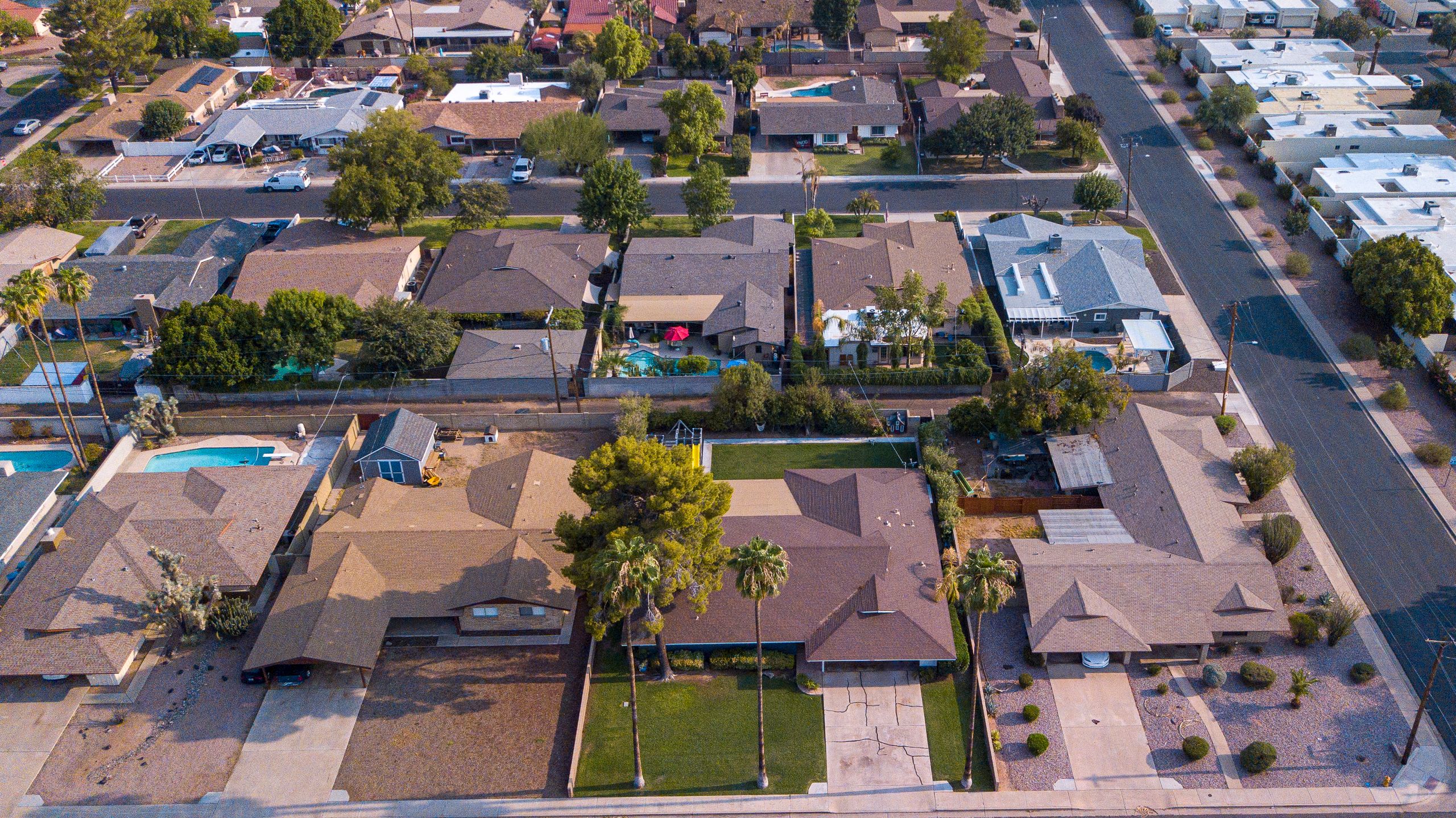
Scottsdale’s warm climate, irrigated landscaping, and desert-edge properties create ideal conditions for ants year-round. Unlike colder parts of the country where ants go dormant in winter, Scottsdale ant colonies stay active twelve months a year, shifting their foraging patterns with the seasons and surging after monsoon storms. This guide covers which ants you’re most likely dealing with, what’s drawing them to your home, what actually works to eliminate them, and when it’s time to call a professional.
The Ants You’ll Find in Scottsdale Homes
Knowing how to get rid of ants in Scottsdale starts with identifying which species you’re dealing with, because the treatment approach changes depending on the ant. Spraying the wrong product on the wrong ant can actually make the infestation worse by causing the colony to split and spread.
Fire Ants
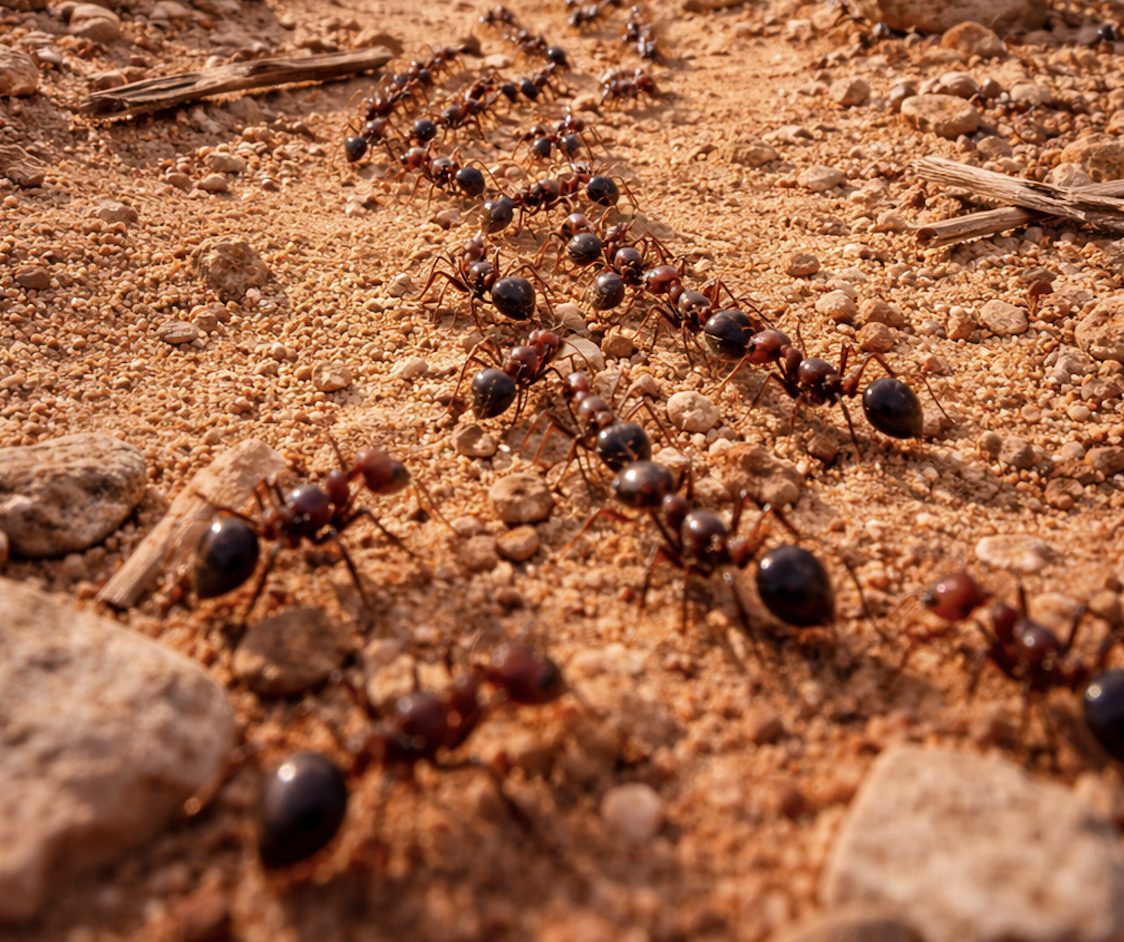
Fire ants are the ones that make Scottsdale homeowners the angriest — literally. Arizona’s most common fire ant is the southern fire ant (Solenopsis xyloni), which is aggressive, nests in soil, and delivers a painful sting that leaves burning welts and sometimes blisters. You’ll typically find their mound-shaped nests in sunny, open areas of the yard — along walkways, around landscape borders, near irrigation valve boxes, and at the base of trees.
Fire ants are omnivores that eat everything from dead insects to greasy food scraps. They forage primarily at night during Arizona’s hot months, which is why you may not see them during the day but wake up to find a trail running across the kitchen floor. Their stings are painful for adults and can be dangerous for small children, elderly individuals, and anyone with insect sting allergies.
Carpenter Ants
Carpenter ants are the ones that cause structural concern. Large (up to half an inch long), usually black or reddish-black, and found excavating galleries inside moist or decaying wood. Unlike termites, carpenter ants don’t eat wood — they chew through it to build their nests, leaving behind smooth tunnels and piles of sawdust-like frass.
In Scottsdale, carpenter ants are drawn to any wood that has moisture exposure. Common trouble spots include bathroom framing around leaky showers, window sills with failed caulking, wood siding or trim near irrigation spray, and roof rafters near AC condensation lines. A mature carpenter ant colony can contain 10,000 to 20,000 workers and cause meaningful structural damage over time if left untreated.
Odorous House Ants
These are the small, dark brown to black ants that most Scottsdale homeowners find trailing through kitchens and bathrooms. They earn their name from the rotten coconut smell they produce when crushed. Odorous house ants nest in wall voids, under floors, and around plumbing fixtures. They’re after sugar and moisture, and a single colony can have multiple queens — which means they reproduce and spread fast.
Odorous house ants are the species most likely to make you think the problem is “just a few ants” until you realize the trail leads to a colony nesting inside your wall.
Pavement Ants
Small, dark brown ants that nest under driveways, patios, sidewalks, and foundations. You’ll spot them by the small mounds of excavated soil that appear in cracks and expansion joints. Pavement ants eat almost anything and can forage up to 30 feet from their nest. They’re common in Scottsdale neighborhoods with concrete patios and pool decks.
Harvester Ants
Harvester ants are larger, reddish-brown ants that create distinctive bare patches in yards by clearing all vegetation around their nest entrances. Their nests can damage irrigation lines and create tripping hazards. Harvester ants deliver a painful sting — and unlike fire ants, they tend to hold on and sting repeatedly. They’re most common on Scottsdale properties that border desert or open land.
Why Scottsdale Homes Attract So Many Ants
Scottsdale’s combination of climate, water, and landscaping creates a near-perfect environment for ants. Understanding what draws them to your property is essential to figuring out how to get rid of ants in Scottsdale for good.
Irrigation creates constant moisture. Ants need water, and in the desert, your irrigated yard is the oasis. Drip lines, spray heads, leaky hose bibs, pool splash-out, and AC condensation lines all create the moisture ants are searching for. Properties with lush landscaping, citrus trees, and grass provide far more ant-friendly habitat than natural desert.
Food sources are everywhere. Outdoor pet food bowls, hummingbird feeders, fallen citrus fruit, open trash cans, uncleaned grills, and crumbs on patio surfaces all attract foraging ants. Aphids on landscaping plants produce honeydew — a sugary substance that Argentine ants and other species feed on directly.
Entry points are abundant. Ants enter through microscopic gaps that are nearly impossible to seal completely. Cracks in stucco, gaps around utility penetrations, worn weatherstripping, gaps under doors, expansion joints in concrete, and openings around window frames all provide access.
Monsoon storms flood nests. When summer storms hit Scottsdale, underground ant colonies get flooded out and the entire colony relocates — often into or against your home’s foundation. This is why ant problems seem to appear overnight after a big rain event.
When Ant Season Peaks in Scottsdale
Ants in Scottsdale don’t have a true off-season, but activity follows a clear pattern.
Spring (March through May) is when colonies ramp up foraging and start producing winged reproductives (swarmers). You may see flying ants around your home during this period — these are mating flights that establish new colonies. Spring is when new ant problems typically begin.
Summer (June through September) is peak activity, especially during and after monsoon season. Extreme heat pushes foraging to nighttime hours, and monsoon flooding drives ants toward structures. This is when most Scottsdale homeowners notice ants inside the house for the first time.
Fall (October through November) sees continued activity as colonies stockpile food before the mild winter slowdown.
Winter (December through February) reduces activity but doesn’t stop it. Scottsdale winters are warm enough that ants remain active in sheltered spots, and indoor infestations continue year-round.
How to Get Rid of Ants in Scottsdale: Step-by-Step
Effective ant control requires a systematic approach. One tactic alone won’t solve the problem — you need to address food sources, entry points, moisture, and the colony itself.
Step 1: Identify the Species
Before you treat, confirm what you’re dealing with. Fire ants in the yard require a different approach than odorous house ants in the kitchen or carpenter ants in the bathroom ceiling. If you see large black ants and sawdust-like debris, you may have carpenter ants — and should prioritize finding the moisture source they’re exploiting. If you see small ants trailing to food or water, you’re likely dealing with odorous house ants or Argentine ants.
Step 2: Eliminate Food Sources
Clean up consistently and thoroughly. Wipe down counters and stovetops after every meal. Store food in sealed containers — ants can chew through thin plastic bags. Sweep floors daily, especially under kitchen appliances. Take trash out nightly and use sealed outdoor bins. Pick up fallen fruit from citrus and other fruit trees in the yard. Remove or relocate pet food bowls (don’t leave them out overnight). Clean the grill after every use.
Step 3: Cut Off Water Sources
Fix dripping faucets, leaking hose bibs, and broken irrigation heads. Adjust sprinklers so water doesn’t pool near the foundation. Empty plant saucers after watering. Make sure AC condensation lines drain away from the house. Address any plumbing leaks in bathrooms and kitchens promptly — these are what attract carpenter ants.
Step 4: Seal Entry Points
Caulk cracks in exterior stucco, around window frames, and around pipe and conduit penetrations. Replace worn weatherstripping under exterior doors. Install door sweeps on the garage door. Screen weep holes with stainless steel mesh. While you can’t seal every microscopic gap ants use, reducing easy entry points makes a measurable difference.
These same steps also reduce entry for crickets, black widows, and other pests — so the work pays off across the board.
Step 5: Use Bait, Not Spray
This is where most homeowners make the critical mistake. Spraying ants with contact killer feels satisfying because you see dead ants immediately. But it’s counterproductive for two reasons.
First, you’re only killing the foraging workers — a tiny fraction of the colony. The queen and thousands of workers remain safe in the nest, and the colony replaces the lost workers within days. Second, with some species (especially odorous house ants and Argentine ants), spraying triggers a survival response called “budding” — the colony splits into multiple smaller colonies that spread to new locations. You’ve now turned one colony into three.
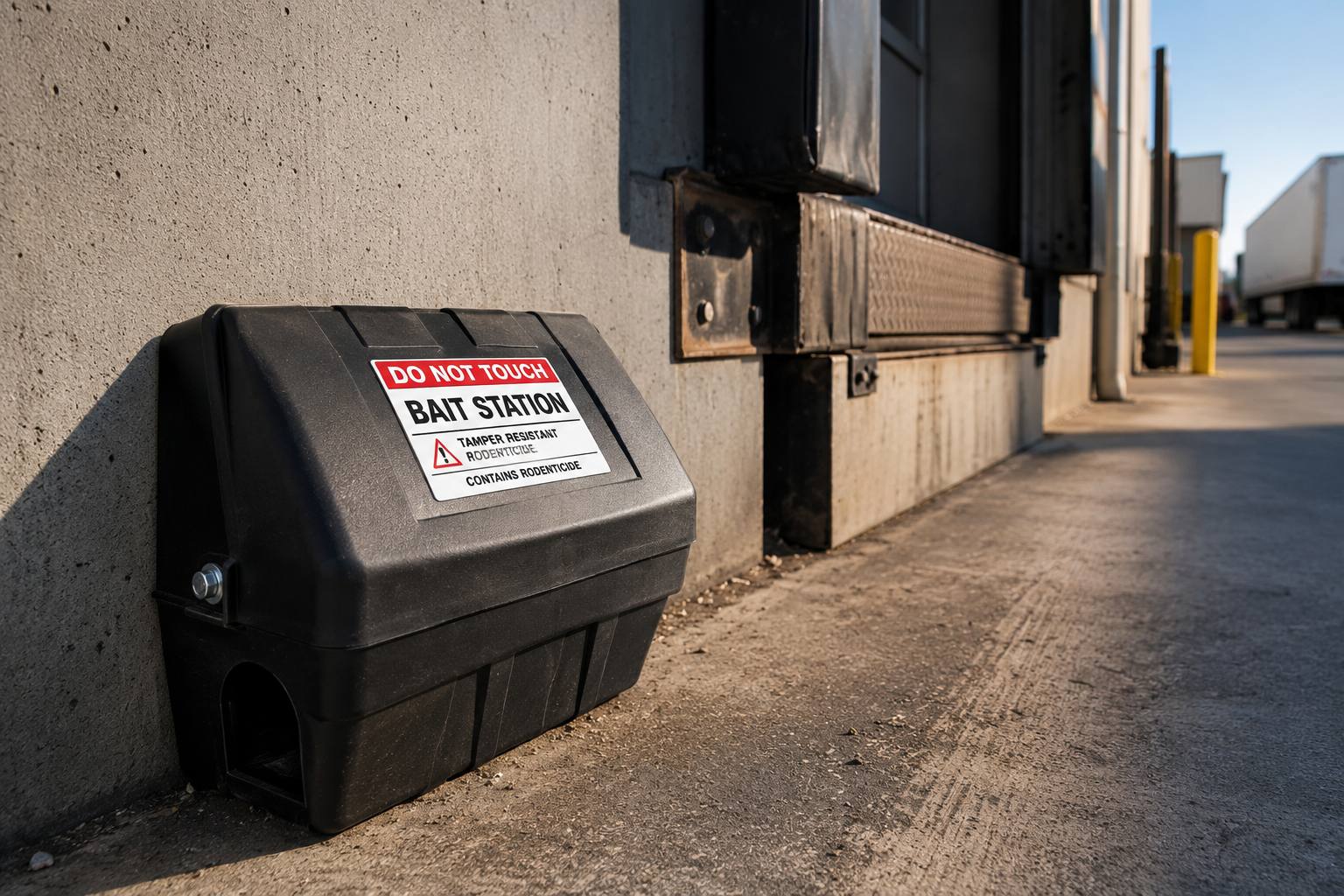
Bait is the correct approach. Ant baits work by exploiting the colony’s food-sharing behavior. Worker ants carry the bait back to the nest and distribute it to other workers, larvae, and the queen. When the queen dies, the colony collapses. This takes longer than spraying — typically one to three weeks — but it actually solves the problem rather than masking it.
Place bait stations along active trails, near entry points, and in areas where you’ve seen the most activity. Don’t spray near the bait — you want ants to find and carry it back to the nest.
Step 6: Address the Yard
Indoor ant problems almost always originate from outdoor colonies. Treating the perimeter of your home and yard is essential. Remove ground-level debris, mulch, and woodpiles near the foundation. Trim vegetation that touches the house. Treat fire ant mounds with bait products rather than contact sprays. Clear leaf litter and dead plant material from landscape beds.
For fire ant mounds specifically, broadcast bait applied to the yard in the evening (when fire ants are foraging) is more effective than treating individual mounds.
Why DIY Ant Control in Scottsdale Often Fails
Most homeowners who try to get rid of ants in Scottsdale on their own run into the same problems. They spray contact killer, which scatters the colony and causes budding. They treat indoor ants without addressing the outdoor colony that’s sending them in. They use the wrong bait for the species — protein baits for ants that are currently seeking sugar, or vice versa. And they underestimate how large and dispersed ant colonies can be. A single Argentine ant colony can stretch across multiple neighboring properties. An odorous house ant colony can have hundreds of thousands of workers and dozens of queens.
Professional ant control solves these problems through accurate species identification, targeted bait selection, perimeter barrier treatments, and ongoing monitoring to ensure the colony doesn’t rebuild.
How to Get Rid of Ants in Scottsdale: The Carpenter Ant Exception
Carpenter ants deserve special attention because they indicate a moisture problem in your home, not just a pest problem. If you’re finding large black ants, sawdust-like debris near wood surfaces, or hearing faint rustling inside walls, the treatment approach is different.
First, the moisture source must be found and fixed — a leaking shower pan, failed window caulking, condensation buildup, or irrigation spray hitting wood siding. Without addressing the moisture, carpenter ants will return even after treatment.
Second, the nest must be located and treated directly. Professional technicians use a combination of inspection, wall-voiding treatments, and targeted baiting to reach carpenter ant colonies inside structural wood. Over-the-counter products rarely reach the nest.
If you suspect carpenter ants, don’t delay. The longer a colony occupies wood in your home, the more structural damage accumulates.
How Alpha Pest Control Gets Rid of Ants in Scottsdale
Alpha Pest Control has been helping homeowners across the Phoenix Valley eliminate ant problems since 1987. Our ant control service starts with a thorough inspection to identify the species, locate colonies and entry points, and assess conditions attracting ants to your property. We then apply targeted treatments — including professional-grade baits, perimeter barriers, and direct nest treatments — designed for the specific species involved.
Ant control is part of our comprehensive pest management services. Reducing the overall insect population on your property also helps control scorpions, black widows, and other pests that feed on ants and the insects ants attract. We serve Scottsdale, Tempe, Phoenix, Chandler, Mesa, Gilbert, Ahwatukee, and Sun Lakes.
For more on ant identification and biology, the University of Arizona Cooperative Extension offers excellent resources on Arizona-specific species. The National Pest Management Association also provides homeowner-friendly guidance on choosing a qualified provider.
If ants are taking over your kitchen, yard, or both, request a free inspection or get a quote. We’ll identify exactly what you’re dealing with and put together a treatment plan that eliminates the colony — not just the ants you can see.
Frequently Asked Questions About How to Get Rid of Ants in Scottsdale
Why are there so many ants in Scottsdale? Scottsdale’s warm climate keeps ants active year-round, and irrigated landscaping creates the moisture that desert ant species need. Monsoon storms flood underground nests and push ants toward homes. The combination of constant warmth, abundant water, and plentiful food sources makes the Phoenix Valley one of the most ant-active regions in the country.
What type of ants are most common in Scottsdale homes? Odorous house ants (the small dark ants trailing through kitchens) are the most common indoor species. Fire ants are the most common yard species. Carpenter ants, pavement ants, Argentine ants, and harvester ants are also frequently found on Scottsdale properties.
Should I spray ants or use bait? Bait is almost always the better choice. Spraying kills only the visible workers and can cause colonies to split and spread (called budding). Bait allows workers to carry the toxicant back to the nest, where it’s distributed to the queen and the rest of the colony. When the queen dies, the colony collapses.
Are fire ants dangerous? Fire ant stings are painful and produce burning welts that can blister. For most adults, stings are uncomfortable but not dangerous. However, small children, elderly individuals, and people with insect sting allergies can have severe reactions, including anaphylaxis. If you find a fire ant mound on your property, avoid disturbing it and contact a pest control professional.
Do carpenter ants cause structural damage? Yes. Carpenter ants excavate galleries inside wood to build their nests. Over time, a mature colony (10,000–20,000 workers) can weaken framing, sills, and other structural wood. Unlike termites, carpenter ants don’t eat the wood — they chew through it and push the debris out, which appears as sawdust-like piles. Carpenter ants are attracted to moisture-damaged wood, so their presence also signals a water intrusion problem.
When are ants worst in Scottsdale? Peak activity runs from late spring through early fall, with the biggest surge during and after monsoon season (July through September). However, Scottsdale’s mild winters mean ants remain active year-round in sheltered locations and inside homes.
How long does professional ant treatment take to work? Bait-based treatments typically eliminate a colony within one to three weeks. Perimeter barrier treatments provide ongoing protection between service visits. For large or multi-colony infestations, follow-up treatments may be needed. Carpenter ant treatments may require additional time to locate and address the moisture source driving the infestation.